A construction site brings together valuable equipment, multiple access points and teams that change every day. Here are the blind spots we see most often.
The first blind spot is the in-between period: the site is protected at night, but no one watches the window when crews leave and the site remains open. This is often the most exposed time slot.
The second is the absence of written post orders. Without a post document, each officer applies their own interpretation, and nothing is passed on at shift change. Written instructions, agreed with the site manager, prevent most incidents before they happen.
The third is the proliferation of access points. A construction site always ends up opening unplanned passages — deliveries, subcontractors, neighbors. Mapping these access points and deciding which ones to physically close is part of the plan, not a minor detail.
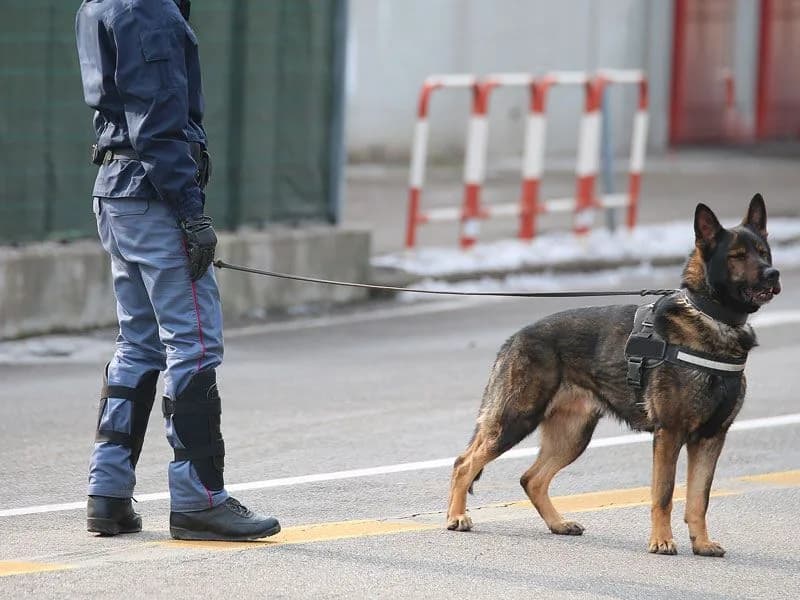
The fourth is surveillance of storage areas. Valuable equipment, cabling and fuel are rarely stolen through the main entrance. A canine patrol covers, in a few minutes, a perimeter that a fixed post never sees.
The fifth is follow-up. A properly kept daily occurrence book, reviewed weekly, turns the security service into a management tool: it shows where attempts occur, at what time, and what needs to be corrected.